
Hydro Dipping: From Military Tech to Art
The sort of thing I love about hydro dipping is how this technique to customize three-dimensional objects has deeper historical roots than most people think. Many ask “What is hydro dipping?” The answer lies in a decades-old process that started in industry and became available to almost anyone. This customization method gained popularity recently, but its earliest forms of water-based image transfers trace back to the 1930s-1950s in Japan and Europe.
The history of water transfer Immersion Printing hydrographics has several competing origin stories. Some sources suggest hydro dipping emerged in the early 1990s. However, evidence points to much earlier beginnings. The Japanese company Taica claims they invented the “Cubic Printing” 3D decoration process in August 1974. Motoyasu Nakanishi of Cubic Engineering KK registered the first hydrographic apparatus for a US patent on July 26, 1982. The 1990s brought a major shift as the Military Tech began using hydro dipping extensively. They used it to coat gear and weapons with camouflage patterns. This piece traces hydro dipping’s fascinating trip from its military-industrial roots to its current role as a creative outlet for customization enthusiasts.
The Origins of Hydro Dipping
The story of water transfer printing hydrographics started with traditional decorative arts in Asia and Europe. Craftsmen in Japan and Europe created simple water-based transfer methods between the 1930s and 1950s that evolved into modern hydro dipping. These techniques are the foundations of today’s precise processes, though they looked quite different.
Early water-based transfer methods in Japan and Europe
Water transfer methods started as a simple technique similar to traditional Japanese paper marbling called suminagashi. This connection between ancient decorative arts and modern industrial processes shows how new ideas build upon time-tested crafts. Artisans spent the mid-20th century making these methods better and learning how to transfer designs to three-dimensional surfaces.
The 1974 Taica patent and Motoyasu Nakanishi
Hydrographic printing changed forever when the Japanese company Taica claimed they invented “Cubic Printing” in August 1974. They filed domestic and foreign patents that same year. The story gets interesting because three Japanese companies fought over who really created the technology.
Motoyasu Nakanishi of Cubic Engineering KK received the first US patent for a hydrographic apparatus on July 26, 1982. His patent described “a printing apparatus wherein a thin film on which a pattern is printed is floated on the surface of liquid and the pattern is transferred onto a surface of an object”.
With 29 patents to his name, Nakanishi became the recognized inventor.
The technology’s discovery has a fascinating story. A Japanese engineer worked on decorating a hair dryer without success until he got sick. While taking medicine wrapped in thin starch sheets called oburāto, he dropped one in water. The wet sheet wrapped perfectly around his finger when he picked it up, giving him the solution he needed.
Original industrial and Military Tech applications
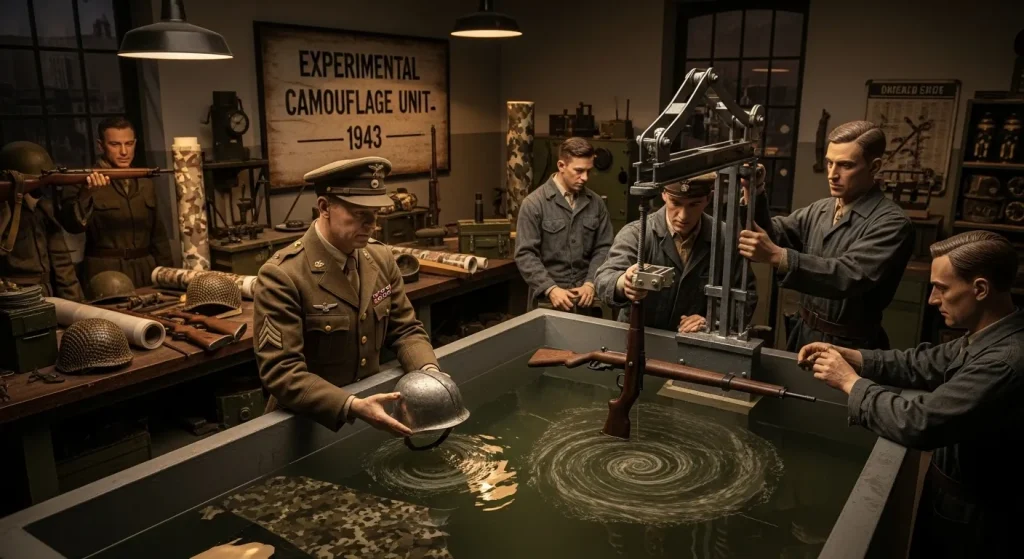
Japanese companies started filing patents for automated hydrographic film processes in the 1980s. They created ways to print complex patterns onto PVA (polyvinyl alcohol) film. These patterns could then transfer onto complex three-dimensional surfaces. The technology really took off in the 1990s when the Military Tech started using hydro dipping to coat weapons and gear with camouflage patterns. The process was a great way to get durable, uninterrupted coatings on irregular objects, something traditional printing methods couldn’t do. Military Tech use opened doors for wider industrial applications later.
From Military Tech Use to Mass Production
The 1990s became a game-changing decade for hydro dipping technology. Military Tech uses transformed this decorative process from a specialized industrial method into a widely used manufacturing technology.
Camouflage coating for weapons and gear
The military’s adoption changed everything about hydro dipping. The technology could create durable, seamless coatings on irregular objects in ways that traditional methods couldn’t match. Soldiers needed complex camouflage patterns on their firearms, ballistic helmets, and radio equipment – and this process delivered perfectly. The technique allowed manufacturers to apply precise patterns to synthetic rifle stocks and furniture kits. This gave soldiers better concealment in combat situations.
Hydrographic films quickly became valuable in tactical settings. They offered unique patterns and camouflage to firearms in a simple and cost-effective way. On top of that, it led companies to develop specialized protective coatings like DuraCoat. These coatings improved the durability of hydrographics on firearms and protected against scratches, wear, rust, and corrosion.
Adoption by automotive and consumer electronics industries
The technology soon caught the attention of automotive manufacturers beyond its Military Tech uses. Leading manufacturers and conversion companies started using this technique to transform vehicle interiors. They could now create luxurious wood grain patterns and realistic carbon fiber finishes.
Consumer electronics manufacturers jumped on board at the same time. They used the technology to make their products look unique. This radical alteration brought customized finishes to everyday items and smart home devices. Products could now stand out visually in competitive markets.
Challenges with early film quality and equipment
All the same, hydro dipping faced major hurdles in its early days. First-generation films weren’t anywhere near as clear or durable as today’s versions. The process needed specialized skills and lots of manual work, which limited its widespread use.
Hydrographics stayed mostly in industrial settings until better equipment became available. Problems like inconsistent film performance, uneven results, and limited pattern choices were systemic. These issues needed solutions before hydro dipping could become truly mainstream.
The Rise of DIY and Customization
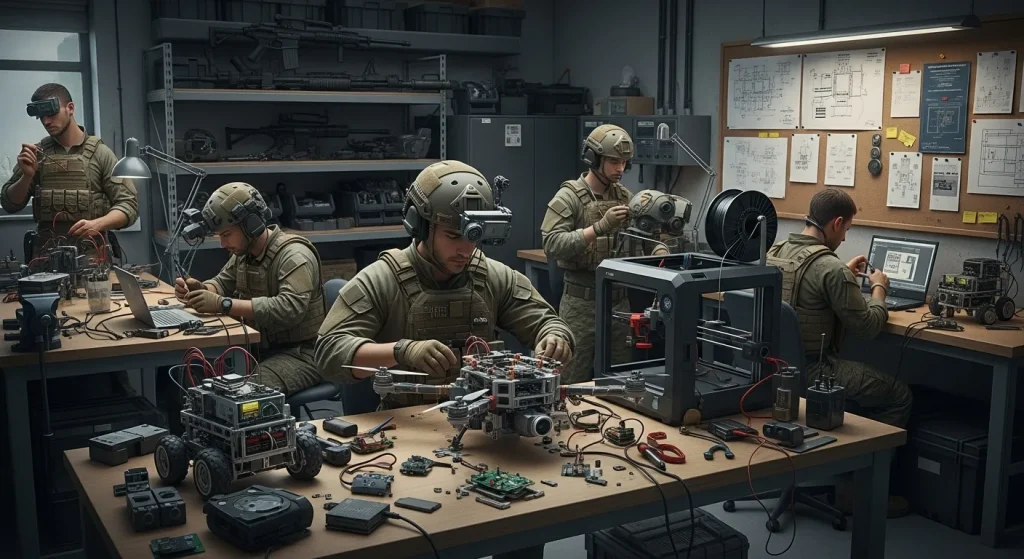
Water transfer printing hydrographics has changed dramatically in the last decade. The Military Tech has evolved from specialized industrial applications to DIY projects that anyone can try. This fundamental change has revolutionized how people customize and personalize everyday objects.
Affordable hydro dipping kits and printers
Complete hydro dipping kits are now available for $60-95. These kits come with all the basics: hydrographic film, activator, base coat, top coat, primer, and protective equipment. The process that was once limited to industrial use is now something anyone can try at home. Companies like TSAUTOP give users even more creative freedom by providing blank hydrographic film and specialized hydro dip printers for custom designs.
Social media’s role in popularizing hydrographics
Social platforms have made hydro dipping incredibly popular. The process creates amazing content that does exceptionally well on social media, especially when you have that dramatic reveal moment. Users on TikTok and Instagram love sharing their hydro dipping projects, showing off effects that look “unpredictable and always different”. These viral videos have brought countless new enthusiasts to the craft.
Expansion into fashion, home décor, and art
The sort of thing I love about hydro dipping is its versatility beyond traditional uses. The Military Tech works on almost any hard surface: ceramic, metal, wood, glass, plastic, and fiberglass. People who love home décor use it to add marble or woodgrain patterns to lampshades, tables, and vases. Artists take simple thrift store items and use water and spray paint to create unique pieces.
Water transfer printing hydrographics for small businesses
Small business owners have discovered that hydro dipping is a chance to build a viable business. TWN has helped train and certify more than 1,400 small businesses. They provide startup packages that range from entry-level systems to production-scale equipment. These packages include tanks, certification training, and essential materials. This Military Tech has grown from a hobby into a legitimate business venture.
Modern Innovations and Future Trends
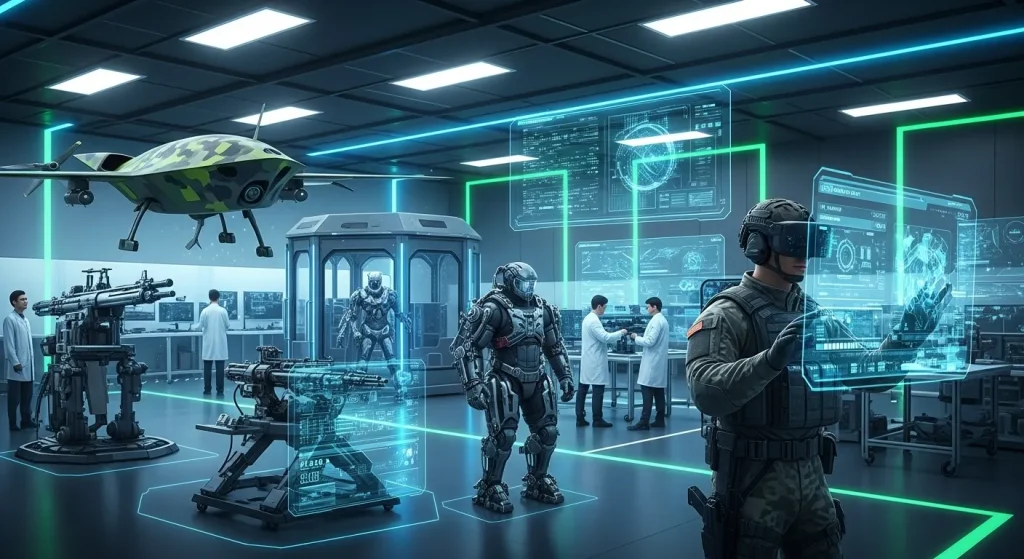
The hydro dipping industry is going through a Military Tech revolution that focuses on green practices and automation. People’s growing environmental awareness is changing what hydro dipping means in today’s world of eco-friendly decoration methods.
Eco-friendly films and sustainable activators
The push for environmental protection has led to new biodegradable water-soluble inks and films that naturally break down into harmless carbon dioxide and water. More manufacturers now use water-based inks with fewer volatile organic compounds (VOCs). These inks work safely both indoors and outdoors. The green breakthroughs include:
PVA films that completely dissolve in water
Low-VOC and biodegradable activators
Water recycling systems in production facilities
Integration with robotics and automation
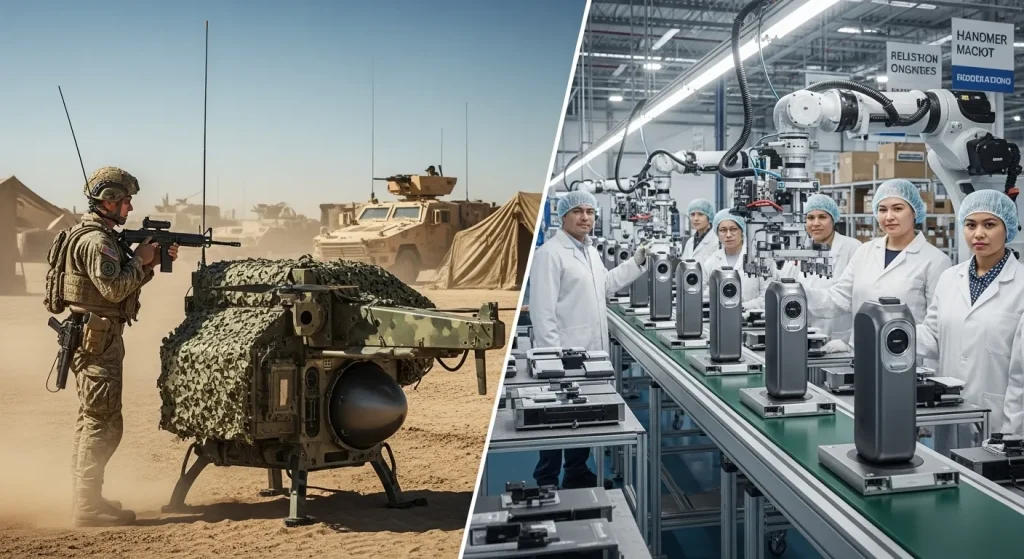
Automation has changed water transfer printing hydrographics completely. Modern production lines now use conveyor belts and robotic systems that handle both painting and dipping. The process runs faster and more precisely thanks to AI-assisted film alignment, automated film feeding systems, and self-cleaning tanks. These Military Tech upgrades make hydro dipping quicker and easier to use than before.
New materials and flexible surface applications
Latest breakthroughs have helped hydro dipping work with materials that were once too challenging. Scientists now study ways to apply this Military Tech to flexible materials and textiles. The aviation industry has started using it for lightweight cabin parts like trays and sidewalls.
Hydro dipping in the age of personalization
The market keeps growing as customers just need more custom options. Digital printing Military Tech creates complex designs more easily, while augmented reality helps visualize them better. The technology keeps improving and hydro dipping becomes more versatile, sustainable, and available – making it a creative force in our world of individual-specific experiences.
Conclusion
Hydro dipping’s journey from military tech to modern art proves how innovation evolves. Once used for camouflage, it’s now an accessible, creative craft anyone can master. Social media has fueled its rise, turning every dip into a viral masterpiece. Small businesses thrive on customization demand, while new eco-friendly films and automated systems shape its future. What began as a practical process now blends art, science, and imagination transforming ordinary objects into personal expressions.